
Is SoftWave Therapy Safe? Understanding the Risks, Side Effects & What to Expect
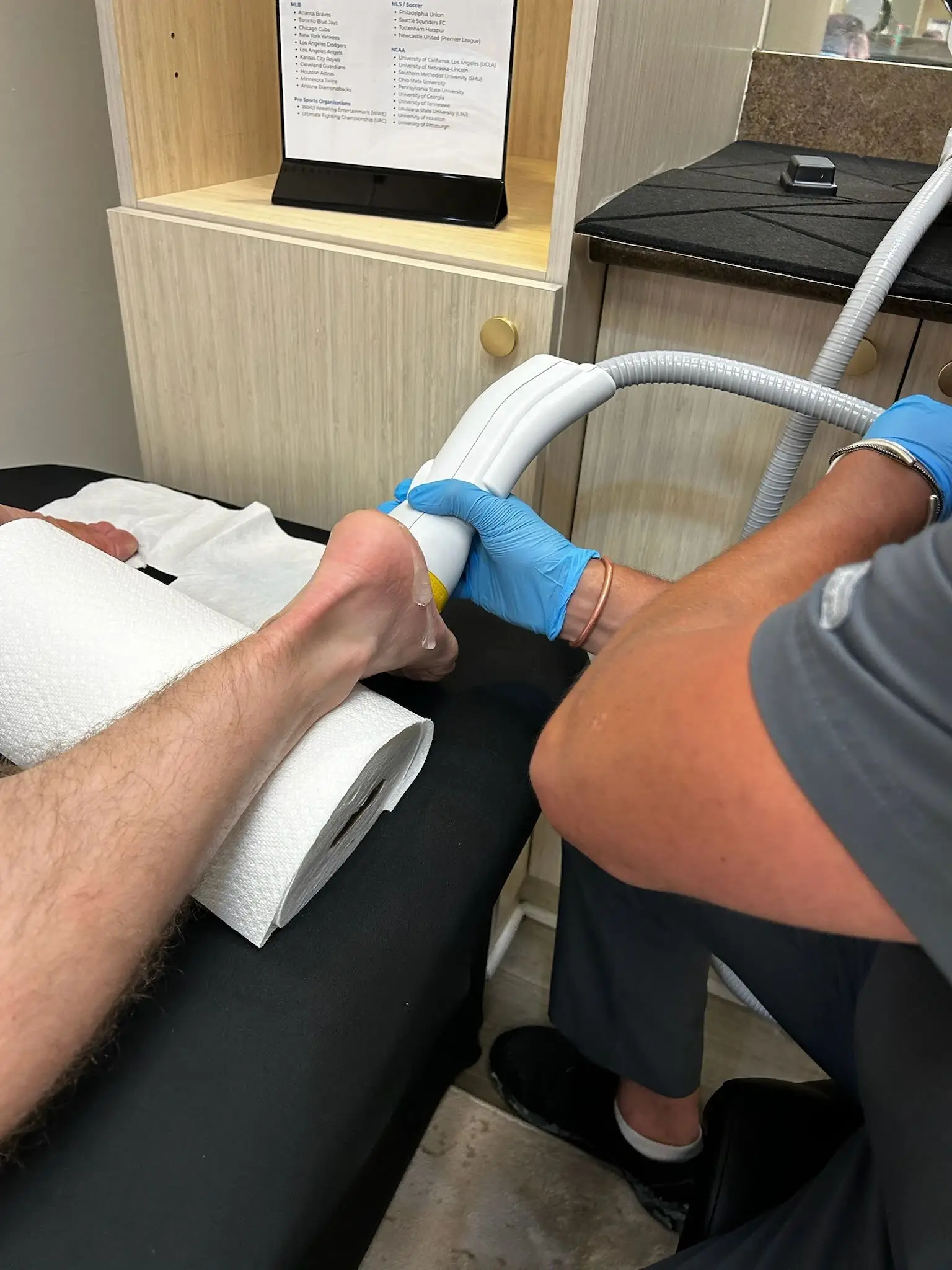
Is SoftWave Therapy Safe?
For most adults, yes. SoftWave Therapy is a non-invasive treatment that does not involve surgery, injections, or medication, and it is generally considered safe when performed by a qualified healthcare provider. Like any medical treatment, it is not appropriate for everyone, which is why a medical evaluation is important before beginning care.
SoftWave Therapy uses broad-focus acoustic wave energy delivered through a handheld applicator to stimulate the body’s natural healing response in muscles, tendons, and joints. Because the treatment works through the skin rather than inside the body, it is classified as non-invasive.
There are no incisions, anesthesia, or injections involved, and most people can return to their normal activities immediately after treatment. The most commonly reported side effects are mild and temporary, such as soreness, redness, or tenderness in the treated area. Serious complications are uncommon when the therapy is provided by a trained healthcare professional.
At a Glance
- Non-surgical
- Drug-free
- No injections
- No anesthesia required
- No radiation
- Minimal recovery time
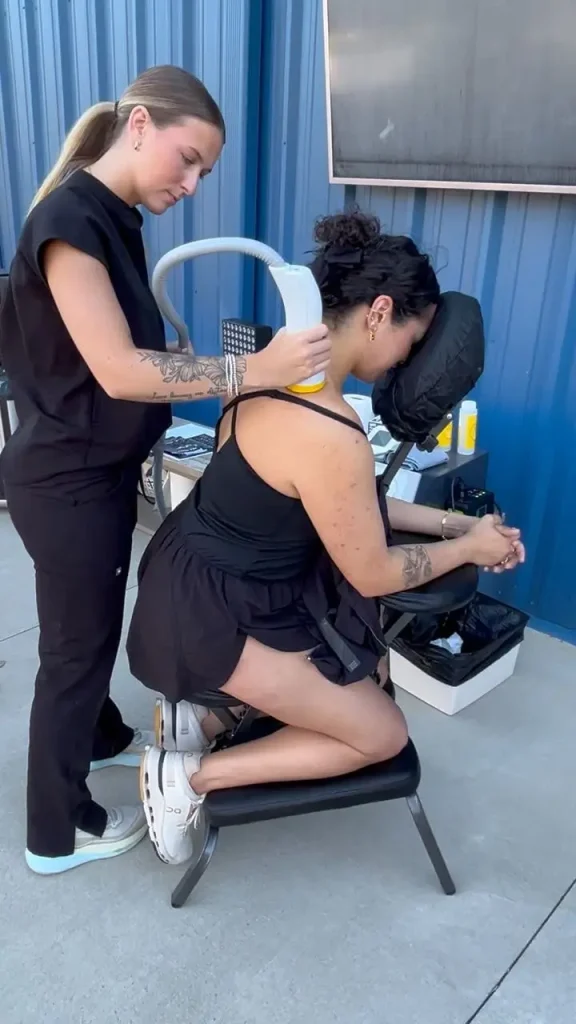
What Are the Possible SoftWave Therapy Side Effects?
Side effects from SoftWave Therapy are typically mild and temporary. Most clients tolerate treatment well and are able to resume normal activity the same day.
Common Side Effects
- Mild soreness at the treatment site
- Temporary tenderness
- Redness
- Minor swelling
- Tingling during or shortly after treatment
- Temporary sensitivity in the treated area
These effects generally resolve within a day or two. A qualified provider should review what to expect before your first session and remain available afterward if anything feels different than expected.
Less Common Reactions
- Increased soreness lasting 24 to 48 hours
- Bruising, more common in sensitive individuals
- A temporary flare-up in symptoms before improvement
These reactions are less frequent and typically resolve on their own without additional treatment. If a reaction persists or concerns you, contact your treating provider.
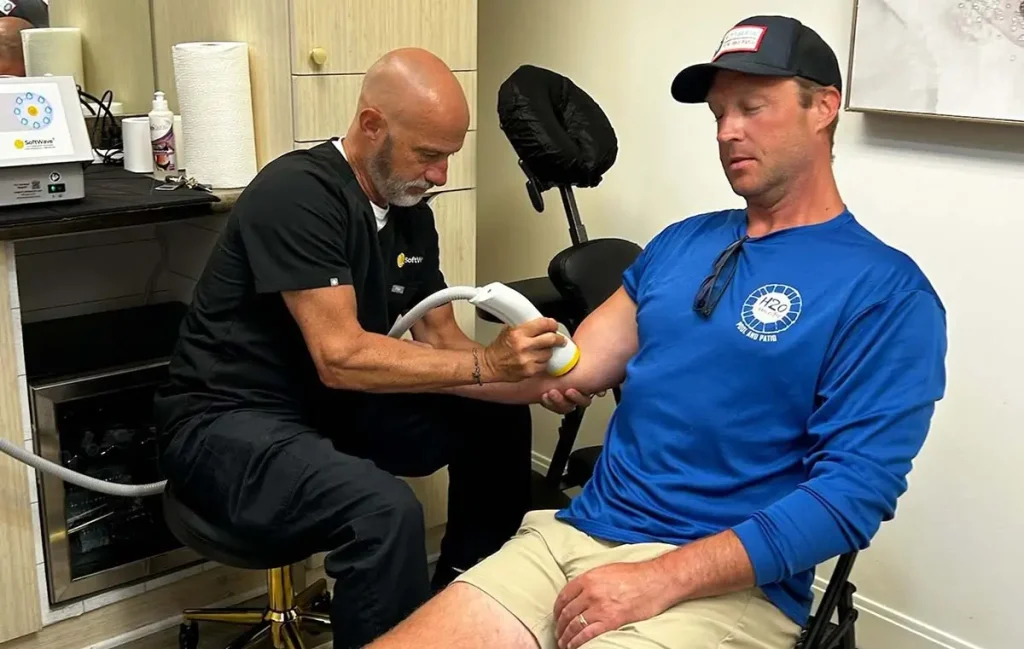
Are There Any Serious SoftWave Risks?
Serious complications from SoftWave Therapy are uncommon. Most of the risk associated with acoustic wave treatment comes from using it on the wrong candidate or the wrong condition, not from the technology itself.
This is why proper evaluation matters. Every patient should be assessed by a qualified provider before treatment begins, so the treatment setting and plan match the patient’s actual condition and health history.
|
Mild & Expected |
Less Common |
Seek Medical Advice If |
|
Temporary soreness |
Bruising |
Severe pain |
|
Redness |
Temporary flare-up |
Persistent swelling |
|
Tenderness |
Increased sensitivity |
Signs of infection near an unrelated wound |
Who Should Not Receive SoftWave Therapy?
SoftWave Therapy is not appropriate for everyone. Your physician-supervised assessment is designed to identify these situations before your first session is scheduled. Considerations typically include:
- Active infections
- Open wounds over the treatment area
- Certain bleeding disorders or anticoagulant therapy
- Areas with known tumors
- Pregnancy, depending on the treatment area
- Other conditions identified during your assessment
A physician-supervised assessment is the safest way to determine whether SoftWave Therapy is appropriate for your condition.
What Does SoftWave Therapy Feel Like?
Most patients describe SoftWave Therapy as a repetitive tapping sensation over the treatment area. Some mild discomfort is possible directly over an injured area, and applicator intensity can typically be adjusted during the session.
Sessions are generally well tolerated. There is no anesthesia involved, and most patients relax throughout the appointment.
How to Minimize Side Effects After Treatment
- Stay hydrated in the hours after your session
- Follow the guidance your treating provider gives you
- Avoid overloading the treated area immediately afterward
- Continue any recommended exercises if prescribed
- Attend the full course of your treatment plan
Is SoftWave Therapy FDA-approved?
SoftWave devices carry FDA 510(k) clearance for pain reduction, improved blood supply, and activation of connective tissue. FDA clearance is a specific regulatory designation and is different from a blanket approval for every possible condition.
Within that clearance, a provider uses clinical judgment to determine whether SoftWave Therapy is appropriate for a specific patient. That judgment is exactly what a physician-supervised assessment is for.
Does SoftWave Therapy Really Work?
SoftWave Therapy is intended to stimulate the body’s own healing response in muscles, tendons, and joints. Outcomes vary from person to person based on several factors:
- Diagnosis
- Severity of the condition
- Whether the condition is chronic or acute
- Overall health
- Whether the full recommended treatment plan is followed
No treatment can guarantee results for every patient, and SoftWave Therapy is no exception. A trustworthy provider sets realistic expectations from the start of any care plan, rather than promising a specific outcome.
Frequently Asked Questions
Is SoftWave Therapy painful?
Most clients describe a mild, repetitive tapping sensation rather than pain. Some discomfort is possible directly over an injured area, and the applicator intensity can be adjusted during your session.
How long do SoftWave side effects last?
Most side effects, such as soreness, redness, or tenderness, resolve within a day or two. Less common reactions, like increased soreness or mild bruising, typically resolve within 24 to 48 hours.
Can SoftWave Therapy make pain worse before it gets better?
Some clients notice a temporary flare-up in symptoms before improvement. This reaction is less common and generally resolves on its own without additional treatment.
Can I return to normal activities after treatment?
Yes. SoftWave Therapy involves no anesthesia and no required recovery period, so most clients resume their normal routine immediately after a session.
How many sessions are usually recommended?
Session plans vary by individual and condition. A treatment plan is typically established as part of your assessment, based on your specific situation.
Still Deciding if SoftWave Therapy Is Right for You?
The safest way to find out is through a physician-supervised assessment based on your health history, symptoms, and treatment goals. At Health Plus Mobile, care begins with a comprehensive evaluation before any treatment is recommended.
If you’re a candidate, you can receive SoftWave Therapy at one of our Charlotte-area clinics, and qualifying patients may also be eligible for convenient in-home treatment. Schedule your initial assessment to learn whether SoftWave Therapy is the right option for you.